Superintendent Pharmacist and Independent Prescriber
Oluwole Ososami
Leads clinical governance at Westbury Chemist. Clinical interests include acute respiratory conditions, urinary tract infections and musculoskeletal conditions.
Prescription treatment
Start your online consultation
You will log in or create an account first, then return to this treatment and continue straight to the questionnaire.
Need Express Delivery? Order now!
Westbury Chemist is a GPhC-registered pharmacy (Registration No. 1041186) operated by qualified pharmacists, providing professional and regulated healthcare services
Lymecycline is used to treat bacterial acne. It's an antibiotic capsule that you take daily. Bacterial acne happens due to inflammation and too much bacteria on your skin, usually on the face. Lymecycline helps reduce your acne, clears your pores, and promotes healthy skin.
It can also be used to treat other skin conditions such as hidradenitis suppurativa and perioral dermatitis. Hidradenitis suppurativa leads to painful lumps forming under the skin, while perioral dermatitis causes a rash around the mouth. Since both conditions are due to inflammation and worsened by bacteria, Lymecycline helps manage flare-ups and ease symptoms.
Lymecycline is an antibiotic that belongs to the tetracycline group. It helps treat bacterial acne by reducing inflammation and eliminating harmful bacteria. It works by preventing your body from producing a protein that leads to an overgrowth of P. acnes bacteria, which can cause or worsen acne.
It also helps lower the amount of harmful bacteria on the skin's surface. This prevents any leftover acne spots from becoming infected and makes them less red and swollen. Lymecycline's anti-inflammatory properties also help ease the symptoms of perioral dermatitis and hidradenitis suppurativa. Its antibiotic effects prevent the sores from hidradenitis suppurativa from becoming overly inflamed or painful.
Lymecycline is absorbed more rapidly than tetracycline, the medication it's derived from, so you can take a lower dose for it to be effective against acne. This might also result in fewer side effects.
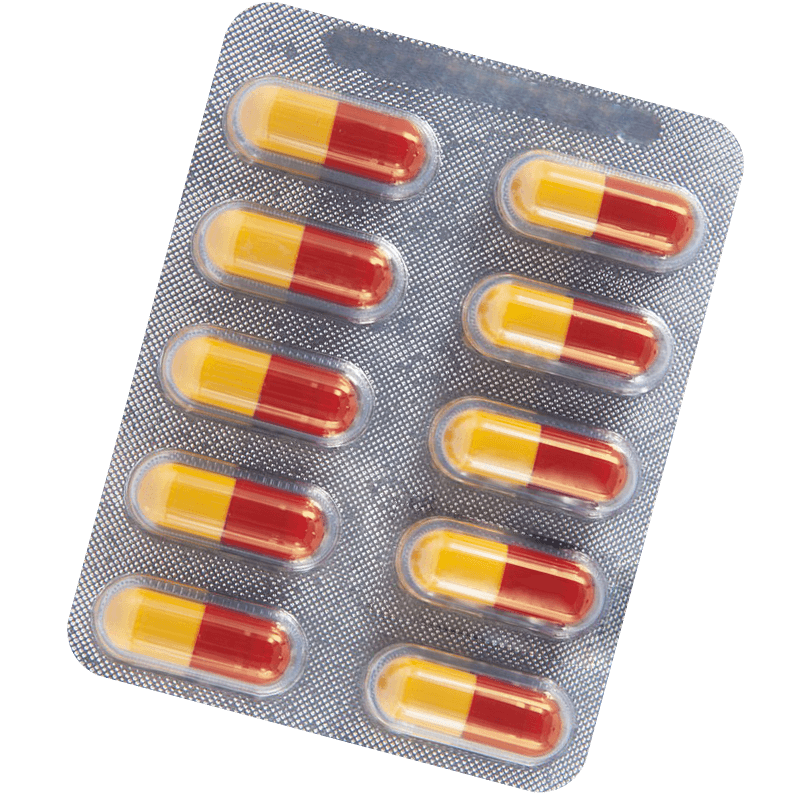
Lymecycline is available in 408mg capsules, and you'll typically take one each day. For different infections, you might need to take one capsule twice daily. If you find your current dose isn't effective, please inform our clinician. We'll assist you in finding the appropriate treatment and dosage.
Lymecycline is typically prescribed for acne for a period of eight to twelve weeks. You may notice an improvement in your acne before this time, but it's important to consult with a clinician before stopping the medication. If you haven't seen any improvement by the end of your Lymecycline course, have a word with your clinician or get in touch with us. It might be time to consider a different treatment.
For conditions like perioral dermatitis or hidradenitis suppurativa, the duration you take Lymecycline can vary based on your symptoms. Typically, you'll continue taking it until your symptoms clear up, which could be a few months. If you discuss your health with us, we'll help create the best treatment plan for you.
If you forget to take your Lymecycline at the usual time, just take it as soon as you remember. However, if it's almost time for your next dose, simply skip the one you missed and continue with your treatment as usual. Don't take an extra dose to make up for the one you missed.
If you take an overdose of Lymecycline, seek medical help. Be sure to bring the medication packaging with you so they can see what and how much you've taken.
If you're on the contraceptive pill and Lymecycline causes you to feel nauseous, it might not work as well in preventing pregnancy. It's a good idea to use an additional form of contraception, such as a condom, and speak to your clinician if you need further guidance.
Lymecycline is an excellent choice for treating bacterial acne because it goes beyond just the surface. It targets the underlying cause of inflammation and bacteria. If you've used creams or gels without success, considering antibiotics like Lymecycline might be a good idea.
One advantage it has over some other antibiotics is that it's absorbed a bit faster. The older antibiotic it's derived from, tetracycline, takes more time to reach peak levels in the blood. Additionally, it's less likely to be affected by milk compared to other tetracycline antibiotics such as doxycycline and oxytetracycline.
There's a branded version of Lymecycline known as Tetralysal. Both contain the active ingredient lymecycline, so they function in much the same way. The main differences between generic and branded medications are their names, packaging, and cost. The choice is yours.
As we've discussed, Lymecycline belongs to a group of antibiotics known as tetracyclines. There are several options for treating acne, such as Oxytetracycline, Doxycycline, and Erythromycin. While they all offer antibacterial and anti-inflammatory benefits, they contain different active ingredients. This means that one medication might be more suitable for you than another.
Lymecycline is an effective treatment for bacterial acne and various other skin conditions. Studies on Lymecycline for acne have demonstrated its safety and effectiveness, with one study revealing a 65% reduction in inflammatory acne spots after only 12 weeks of use. It has also been found to be as effective as minocycline, while costing four times less.
A study on treating hidradenitis suppurativa with Lymecycline showed a noticeable improvement in symptoms and quality of life after about 4.3 months of use.
This is because topical treatments typically take up to three months to work at their best.
Many people believe you should never drink alcohol when taking antibiotics, but that's not always the case. Alcohol doesn't reduce the effectiveness of Lymecycline, so it should still help with your acne, hidradenitis suppurativa, or perioral dermatitis.
It's important to be aware that alcohol can intensify the side effects of Lymecycline. While it's always best to keep your alcohol intake in check, having a drink while taking Lymecycline is generally fine.
Yes, Lymecycline can only be obtained with a prescription. It may not be suitable if you have certain health conditions or are taking other medications. It's specifically intended for those with bacterial acne, hidradenitis suppurativa, perioral dermatitis, or broader infections.
To find out which treatments might be best for your acne or other skin condition, have a chat with us about your health.
Lymecycline isn't right for everyone, and there are a few things you should know when using it.
Here's all the official information on it. If anything isn't clear, just let our clinician know, and they can discuss it with you.

At Westbury Chemist, we prioritise your security and peace of mind when shopping with us. Here's how we ensure a safe and reliable experience:
Shop with confidence at Westbury Chemist, where your safety and satisfaction come first.
Medicines can cause side effects. Always read the leaflet that comes with your medication and report any side effects to your pharmacist.
The electronic medicines compendium (emc) publishes the official leaflets for licensed UK medicines.
Every online consultation is reviewed by one of our pharmacists before any medicine is supplied. Each clinician is registered with the General Pharmaceutical Council, and you can check their registration using the Verify link.
Superintendent Pharmacist and Independent Prescriber
Leads clinical governance at Westbury Chemist. Clinical interests include acute respiratory conditions, urinary tract infections and musculoskeletal conditions.
Pharmacist Independent Prescriber
Clinical interests include ear, nose and throat conditions, high blood pressure and weight management.
Pharmacist Independent Prescriber
Clinical interests include asthma, COPD and the management of long-term conditions.
OPEN till
OPEN
OPEN